Last updated 2026-08-20
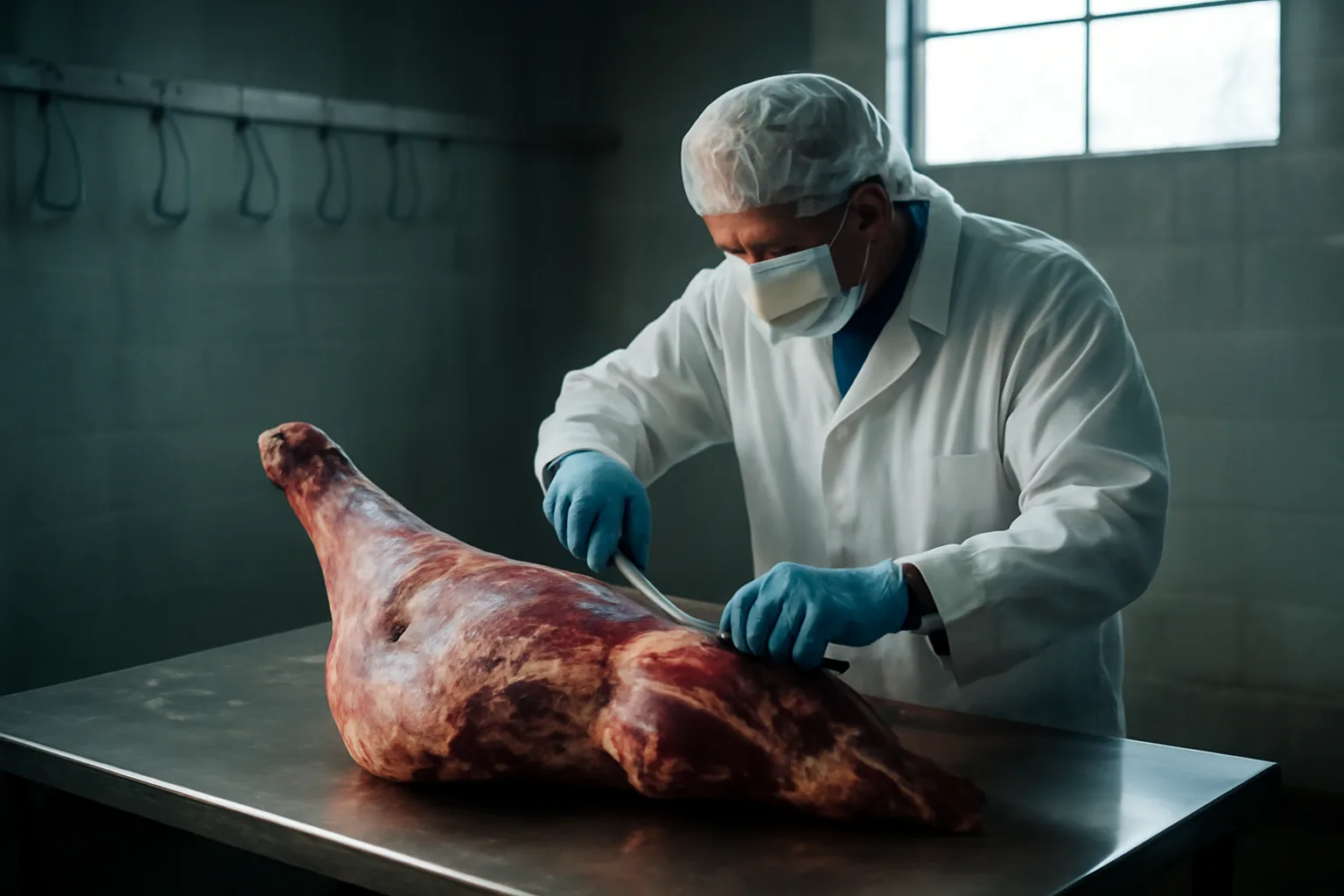
TL;DR
Florida cut and wrap renewal is a stack, not one magic license. You keep the FDACS food permit current, you pay the county business tax receipt by September 30, and you file the Sunbiz annual report by May 1. Hunter deer returned to the owner is usually custom work, not a USDA grant. Confirm every fee with the board that issued the paper.
What does cut and wrap renewal mean in Florida?
It means keeping every permit that lets you process meat current. Florida does not sell a document titled cut and wrap license. You renew a food permit, a local business tax receipt, and the Sunbiz filing that keeps your company alive.
People search cut and wrap florida and expect one form. They get a pile. That pile is why shops get blindsided in year two.
The food permit sits under the Florida Food Safety Act. The county receipt sits under the local business tax chapter. The annual report sits with the Division of Corporations. Each issuer runs its own calendar. None of them calls the others for you.
Treat renewal as a 60 day chore, not a panic week. Pull the physical permits. Read the expiration line. Match each one to a login or a tax collector counter. If a date is faint, call the board that printed it. Do not trust a blog, including this one, over the face of your own permit.
Hurricanes, a dead inbox, and a bookkeeper who quit in July are how Florida shops lapse. The paper does not care about your excuse. Build a folder that survives a storm and a staff change.
Do you need a license for cut and wrap in Florida?
Yes. If you run a food establishment you need a Florida food permit, and you need the county or city business tax receipt too. A USDA grant of inspection is a separate thing, and most hunter-only shops never hold one.
Florida Statute 500.12 is blunt. It says, "A food permit from the department is required of any person who operates a food establishment or retail food store." [1] A cut and wrap room that processes meat is a food establishment under the Food Safety Act definitions, not a hobby loophole. [2]
Cottage food will not save you. Section 500.80 is the cottage path, and it is built for a short list of non-potentially hazardous foods. Meat is not on that list. [12] If someone told you to hide deer work under cottage food, they sent you the wrong chapter.
The local piece is the business tax receipt. Counties may levy that tax for the privilege of engaging in a business. [4] The receipt is sold in late summer and is "due and payable on or before September 30 of each year." [3] Miss it and the statute stacks a 10 percent hit in October, then more, up to 25 percent of the tax. [3]
A one-off favor for a neighbor is still processing. FDACS does not grade your intent. Hold other people's meat in a cooler and take money, and you plan on the permit. Confirm the category with the Division of Food Safety before you advertise.
Do not buy a framed "processor license" off the internet. Florida will not honor it. Spend the money on a working cooler and on the real FDACS application.
Which Florida papers come due every year for a shop?
Three papers land on a normal custom shop calendar: the FDACS food permit, the county business tax receipt, and the Sunbiz annual report. USDA paper only joins that list if you are an official establishment.
The food permit is not a lifetime card. Rule 5K-4.020 is where Florida parks permit requirements and fees. [9] I will not type a dollar figure here because the board changes the schedule. Read the rule, then confirm the invoice in your FDACS account.
Sunbiz is the company filing, not the meat filing. Domestic corporations deliver an annual report to the Department of State, and the Division of Corporations tells you to get it in by May 1. [8] File it even if deer season ate your spring. A dissolved company with a pretty cutting room is still a mess.
Use this as a working map, then write the real dates from your own documents on it.
| Paper | Issuer | Cycle you should assume | Where you confirm |
|---|---|---|---|
| FDACS food permit | FDACS Division of Food Safety | Annual. Date is on the permit | Permit face and FDACS account [9] [14] |
| County or city business tax | Tax collector | Due by September 30 | County tax collector [3] [4] |
| Sunbiz annual report | FL Division of Corporations | Due May 1 | Sunbiz annual report page [8] |
| USDA grant of inspection | USDA FSIS | Only if you are official | FSIS, not FDACS [7] |
| Zoning or occupancy | City or county | When you move or change use | Planning desk |
If you added a lunch counter, you may have wandered into DBPR lodging and food service. That is a different agency. Do not mix those logins.
Keep the table in the break room. When someone asks "are we legal," point at dates, not vibes.
How much does cut and wrap cost in Florida?
There is no official statewide price for a Florida deer or hog. Shops set their own ticket. Renewal costs are real, but the dollar amounts live on board fee schedules that move, so you confirm them. I will not invent a current fee.
For the hunter, cost is whatever the shop posted. Per animal, per pound, and add-on sausage prices all exist out there. Nobody publishes a clean Florida average I would put my name on. Call two shops in your county and one in the next county. That is the market.
For the operator, budget four buckets. FDACS permit fees sit in rule 5K-4.020. [9] The county business tax sits in a local ordinance authorized by chapter 205. [4] Sunbiz has its own annual report fee on the Division of Corporations site. [8] Utilities, refrigerant, vacuum bags, and labor will dwarf those filings if you actually cut meat.
Late county tax is the one number I can quote without guessing a board invoice. Statute 205.053 sets a 10 percent delinquency penalty for October, then 5 percent more each later month, with a 25 percent cap. [3] That is a penalty on the tax, not a processing fee.
Paying a consultant to chase a USDA grant you do not need is a waste. Paying a graphic designer before the cooler holds 34 degrees is also a waste. Fund cold storage, a hose bib that reaches the floor, and the actual board invoices first.
If a website lists a 2022 FDACS fee as if it were still live, throw it out. Confirm with the department the week you pay.
How long does cut and wrap take in Florida?
There is no board clock for how long a deer hangs and gets wrapped. License processing time is also not a number I will invent. Confirm both with the people in front of you.
On the animal, time is cooler space, staff, and the week you are in. Florida deer seasons bunch the work. Feral hog work runs much of the year, so some rooms never really empty. A quiet May carcass can move in a few days. A rut weekend can sit behind a rail of animals. I have not seen a statewide time study I trust. The honest answer is: ask the shop for this week's backlog, in writing if you are the hunter.
On the paper, FDACS, the tax collector, and Sunbiz do not share one queue. Sunbiz is a filing, not an inspection. The food permit can involve a review or a visit. I will not promise a day count. Anyone who does is selling comfort.
Mail a renewal into a hurricane and you wait longer. Walk a complete file to the counter when you can. Photograph every receipt.
If a hunter needs meat for a Saturday cook, do not take the animal on Thursday in December and smile. Tell them the real rail count. That conversation is cheaper than a fight at the window.
When is the FDACS food permit due, and what if you are late?
The due date is the date on your permit and in your FDACS account. I will not invent a single statewide hour of death. Confirm it. Put it on a wall calendar that is not your phone.
Rule 5K-4.020 is the requirements and fees rule. [9] Use it to see how the department classifies establishments and how it charges. Then pay the invoice you were actually issued. Category mistakes (retail versus processing, mobile versus plant) are how people send the wrong check.
The department can enter food establishments to inspect. Section 500.147 is the access statute. [13] A lapsed permit does not make the inspector disappear. It makes the visit worse.
Discipline lives in section 500.121. [11] I am not going to rattle off a fine as if I were the hearing officer. Read the section. Then do not test it.
Already lapsed? Call FDACS before you take the next deer. Operating while you "figure it out" is how a one-week problem becomes a stop-work problem. Bring the old permit, the lease, water and sewer proof, and a calm voice.
Assign one human to the FDACS login. Shared passwords in a group text are how renewals vanish when a cutter quits.
Does USDA inspect a hunter deer cut and wrap shop in Florida?
Usually no. Not if you only process the hunter's wild deer and give every bit back to that hunter. That is custom work. A USDA grant of inspection is for official establishments that put inspected product into commerce.
The federal custom rule is 9 CFR 303.1. Custom product is for the owner. It is not a retail case. The regulation requires that custom prepared products are marked "Not For Sale" and prepared in a sanitary manner. [5] Stamp it. Tape it. Make the letters boring and huge.
The statute behind the exemption is 21 U.S.C. 623. It carves out household use and custom slaughter from the inspection scheme that applies to commercial meat. [6] Wild deer is also not the same legal animal as a steer you intend to sell by the pound in a case. Do not blur those piles in the same cooler without advice you pay for.
FSIS still publishes a custom exempt review process. [7] That is not your yearly Florida food permit. It is federal sanitation and "not for sale" reality if you handle amenable livestock as custom. A hunter's feral hog is not a farmers market SKU.
Want to sell burger to strangers? You are done with the custom story. You need inspected source product and the right FDACS category, or a grant. Do not try to out-clever that line. It is the line that closes shops.
What records should a Florida processor keep on wild game?
Keep a log that can survive an argument. Who brought the animal, when, what species, how you identified the hunter, what you returned, and the "Not For Sale" mark. Keep cooler temps. Keep a refuse log for animals you will not touch.
FWC writes the hunting rules. Processors are not the game commission, but you should not be the guy who accepted an animal the hunter could not legally possess. Read the current deer page before opening day, every year, because seasons and reporting duties move. [10]
I want a paper intake card plus a photo of the hunter's ID. Phones die. Ink on a clipboard still works when the power is out. If you grind two animals together, write that down or do not do it. Mixed lots are how you inherit someone else's bad day.
Sanitation records are dull and useful. Florida's food rules lean on the adopted food code framework in chapter 5K-4. [9] A binder you never open is a waste of a binder. A one-page open and close checklist the closer actually initials is worth more.
Want a single packet of HACCP and deer-season forms for the cabinet? CutWrapPath sells a $179 one-time HACCP + Deer-Season Kit at /start. Florida will not ask for that brand. Custom-only shops are not automatically official HACCP plants. Do not buy theater.
Hold records through the season and then some. When a hunter swears you kept a tenderloin, the log is the only adult in the room.
What local paper do Florida shops miss besides FDACS?
Zoning, wastewater, and the tax collector. Those three close more rooms than a missing HACCP poster.
A pole barn that was agricultural last year can be a commercial food plant this year in the planner's eyes. Ask the county before you pour a floor drain. A verbal "we are rural, it is fine" from a cousin is not a certificate of occupancy.
Blood, hair, and hog scald water are not a household septic story. Some counties want a grease or process-water conversation before they will sign off. Make that call before you order a band saw. Retrofitting a drain under a standing cooler is miserable.
The business tax receipt is local even though the due date is in state law. [3] [4] Incorporated cities can levy their own. Sit in a city inside a county and you may hold more than one receipt. Confirm with both collectors. Yes, that is annoying. Pay it anyway.
Solid waste matters. Offal in a roll-cart at the road is how you meet the neighbors and then the county. Contract the waste before opening weekend.
Walk the building with the fire marshal once, early. A locked exit behind a rack of boxes is a stupid way to lose a season.
What happens if a Florida cut and wrap permit lapses?
You are operating a food establishment without the permit the statute requires. [1] That is not a paperwork shrug. It is the fact pattern section 500.121 is built to punish. [11]
Inspectors can show up because chapter 500 gives the department access. [13] A hunter complaint, a hospital case, or a random route can all start that day. You do not get to pick.
The county receipt has a published late math. Ten percent in October, then more, capped at 25 percent of the tax. [3] Sunbiz late filings carry their own penalties on the Division of Corporations side. [8] Stack those and you are still in better shape than an FDACS stop on a full rail of deer.
Do not keep taking animals "just through Saturday." Call the board, ask what reinstatement looks like, and write down the name of the person who told you. Follow that. Not a forum thread.
A Sunbiz-only lapse still scares banks and landlords. File the report. Then print the acknowledgment and stick it with the food permit.
I have no patience for the owner who hid the expired card in a drawer and told the crew everything was fine. The crew is the one talking to the inspector at 7 a.m.
What would I actually do 60 days before Florida due dates?
I would pull every permit off the wall and photograph both sides. Then I would make three piles: FDACS, tax collector, Sunbiz. Everything else is a side quest.
Week one, I log into Sunbiz and FDACS. I check that the legal name, mailing address, and email are still mine. I send the annual report as soon as the window is open, not on April 30 at 11 p.m. [8] I call the tax collector and ask when they start selling the new receipt. I put September 10 on the calendar as my personal drop-dead date, earlier than the statute's September 30. [3]
Week two, I walk the plant like I was new. Cooler thermometer, hose, hand sink, pest gaps, "Not For Sale" stamps, intake clipboard. I throw out the mystery tub in the freezer. I fix the door gasket I have been ignoring.
Week three, I confirm the food permit category still matches what we do. If we added retail packs or a mobile unit, I do not wait for the inspector to notice. [9] [14] I would rather file an amendment than explain a surprise case.
I would not hire a full consultant package for a custom-only deer room. I would not buy new stainless to impress a renewal clerk. I would pay the invoices, keep the floor clean, and keep the log honest.
Comparing states because you might move the plant? Read the Alabama and Georgia renewal guides next. The stack looks similar until it does not. cut and wrap renewal in Alabama cut and wrap renewal in Georgia
How does Florida compare, and where do you confirm the facts?
Florida is a food-permit state for this work, plus a local tax receipt, plus Sunbiz. It is not a state where a USDA grant is the default yearly ticket for hunter deer. Neighbor states use different agency names for the same basic idea. Read them if you already hold paper there.
Cut and wrap renewal in Arkansas is a useful contrast if you also run a shop west of the river. California and Colorado are different climates and different boards, which is the point. Illinois is another reminder that "cut and wrap" is not a national license name.
Confirm Florida facts here, in this order: the face of your FDACS permit, rule 5K-4.020, chapter 500, your tax collector, Sunbiz, and FWC for the game rules you should not help someone break. [1] [8] [9] [10] [14]
CutWrapPath publishes board-confirmable checklists. The kit is at /start. We are an independent publisher, not a law firm and not a service company. Nothing here is an approval, a quote, or a processing-time promise.
Print your permits. Pay them early. Tell hunters the truth about the rail. That is the whole job in year two.
Frequently asked questions
Do you need a license for cut and wrap in Florida?
Yes if you operate a food establishment. Florida Statute 500.12 requires a food permit from FDACS for that work. You also need the local business tax receipt. A USDA grant is separate and is not the usual paper for hunter deer returned to the owner. Confirm your category with FDACS before you advertise.
How much does cut and wrap cost in Florida?
Florida does not publish a statewide deer or hog processing price. Shops set their own tickets. Your renewal cost is the FDACS fee in rule 5K-4.020, plus the local business tax, plus any Sunbiz annual report fee. Those dollar amounts move. Confirm each invoice with the issuer the week you pay. I will not invent a current fee.
How long does cut and wrap take in Florida?
There is no official statewide clock for wrapping a deer, and I will not invent a permit processing time. In season, a busy rail can take well over a week. Off peak, some shops turn animals in a few days. Ask the shop for this week's backlog. Ask FDACS only about your own filing. Treat no public timeline as a guarantee.
Can I cut friends' deer on my farm without a FDACS permit?
If you are operating a food establishment, section 500.12 still wants a permit. Calling them friends does not change the statute. Cottage food under 500.80 is not a meat path. A quiet farm building can still be a plant in the department's eyes. Ask FDACS before you take the third animal and a cash envelope.
Do I need HACCP to renew a Florida custom shop?
Custom-only hunter work is not the same as an official USDA establishment under 9 CFR 417. Florida still wants a sanitary food establishment and a current food permit. A binder you never follow will not impress anyone. Confirm with FDACS what your category actually requires. Do not buy a HACCP theater package to decorate a wall.
Can I sell extra burger left from a hunter's deer?
No. Custom product is for that owner. 9 CFR 303.1 requires custom prepared products to be marked Not For Sale. Putting leftover deer in your retail case is how you step out of the custom story and into commerce you are not set up for. Give it all back or do not take the animal.
Do I need a DBPR restaurant license to cut and wrap?
Not for a plain custom cutting room. FDACS handles food establishments and retail food stores under chapter 500. DBPR enters the chat if you start a public food service operation, like a lunch counter. Adding three tables because you were bored is how you collect a second agency. Confirm before you print a menu.
When is the county business tax late in Florida?
The receipt is due and payable on or before September 30. After that it is delinquent. Statute 205.053 adds a 10 percent penalty for October, then 5 percent more each later month, with a total delinquency penalty that may not exceed 25 percent of the tax. Confirm your county's sale window with the tax collector.
Does a mobile cut and wrap trailer renew the same way?
You still need the food permit conversation with FDACS, plus wherever the trailer sits and sells or returns product. Commissary, water, waste, and county tax can all attach. A pretty trailer is not a category. Tell the department it is mobile on day one so the file matches the truck. Confirm fees and inspections with FDACS, not with the manufacturer.
Is there a Florida state meat inspection program I renew instead?
For hunter deer returned to the owner, your yearly Florida ticket is the food permit and local tax paper, not a USDA-style state MPI stamp. If you want to sell inspected red meat, you are in a different world with FSIS or inspected source product. Do not assume Florida runs a parallel grant you forgot to renew.
Are feral hog and deer treated the same at renewal?
Your FDACS food permit and county receipt do not care which species paid the light bill. Commerce rules do care. A hunter's hog returned to that hunter is still custom, marked Not For Sale. Hog you buy and sell is livestock meat in commerce. Keep those animals and those labels apart. Confirm odd cases with FDACS before you advertise sausage.
What if I move the shop to another Florida county?
Treat it as a new plant until the boards say otherwise. Zoning, wastewater, and the business tax receipt are local. The FDACS file needs the new address. Sunbiz needs the new principal address if it changed. Do not haul a cooler across a county line in October and keep using last year's receipt. Confirm both counties and FDACS before the first animal.
Do I need workers' compensation to renew the food permit?
Workers' compensation is a Department of Financial Services and chapter 440 problem, not a line on the food permit. Florida's coverage trigger depends on employee count and industry. It is not a substitute for the FDACS permit. Ask your carrier and the state, not a meat forum. Lapsing WC can still wreck you if someone gets cut.
How do I change the owner name on a Florida food permit?
Food permits are not a casual handshake transfer. Plan on an FDACS change of ownership or a new application, plus Sunbiz and the tax collector if the legal entity changed. Confirm the exact form with the Division of Food Safety. Selling the band saw does not move the permit. Selling the company might still require new paper.
Sources
- Florida Senate, Statute 500.12 Food permits: A food permit from the department is required of any person who operates a food establishment or retail food store.
- Florida Senate, Statute 500.03 Definitions: Chapter 500 defines food establishment and related terms that pull processors into the Food Safety Act.
- Florida Senate, Statute 205.053 Business tax due dates and penalties: Local business tax receipts are due and payable on or before September 30, with a 10 percent October delinquency penalty, additional monthly amounts, and a 25 percent cap.
- Florida Senate, Statute 205.032 County business tax levy: A county governing body may levy a business tax for the privilege of engaging in or managing a business in the county.
- eCFR, 9 CFR 303.1 Exemptions: Custom prepared products must be marked Not For Sale and prepared in a sanitary manner under the custom exemption.
- Cornell LII, 21 U.S.C. § 623 Exemptions from inspection: Federal law exempts certain household and custom slaughter and preparation from the inspection scheme that applies to commercial meat.
- USDA FSIS, Custom Exempt Review: FSIS maintains a custom exempt review process that is separate from a Florida food permit and from a grant of inspection.
- Florida Administrative Code 5K-4.020 Food Permits; Requirements and Fees: Rule 5K-4.020 sets Florida food permit requirements and the department fee schedule operators must confirm before paying.
- Florida Fish and Wildlife Conservation Commission, Deer hunting: FWC publishes current Florida deer hunting rules that processors should not help a hunter violate.
- Florida Senate, Statute 500.121 Disciplinary procedures: Section 500.121 authorizes departmental discipline against food establishments, including permit problems.
- Florida Senate, Statute 500.80 Cottage food operations: The cottage food statute is not a legal path for cut and wrap meat processing.
- Florida Senate, Statute 500.147 Inspection of food establishments: The department has statutory authority to inspect food establishments and records.
- FDACS, Food Establishments program page: FDACS Division of Food Safety is the program that issues and renews Florida food establishment permits.